

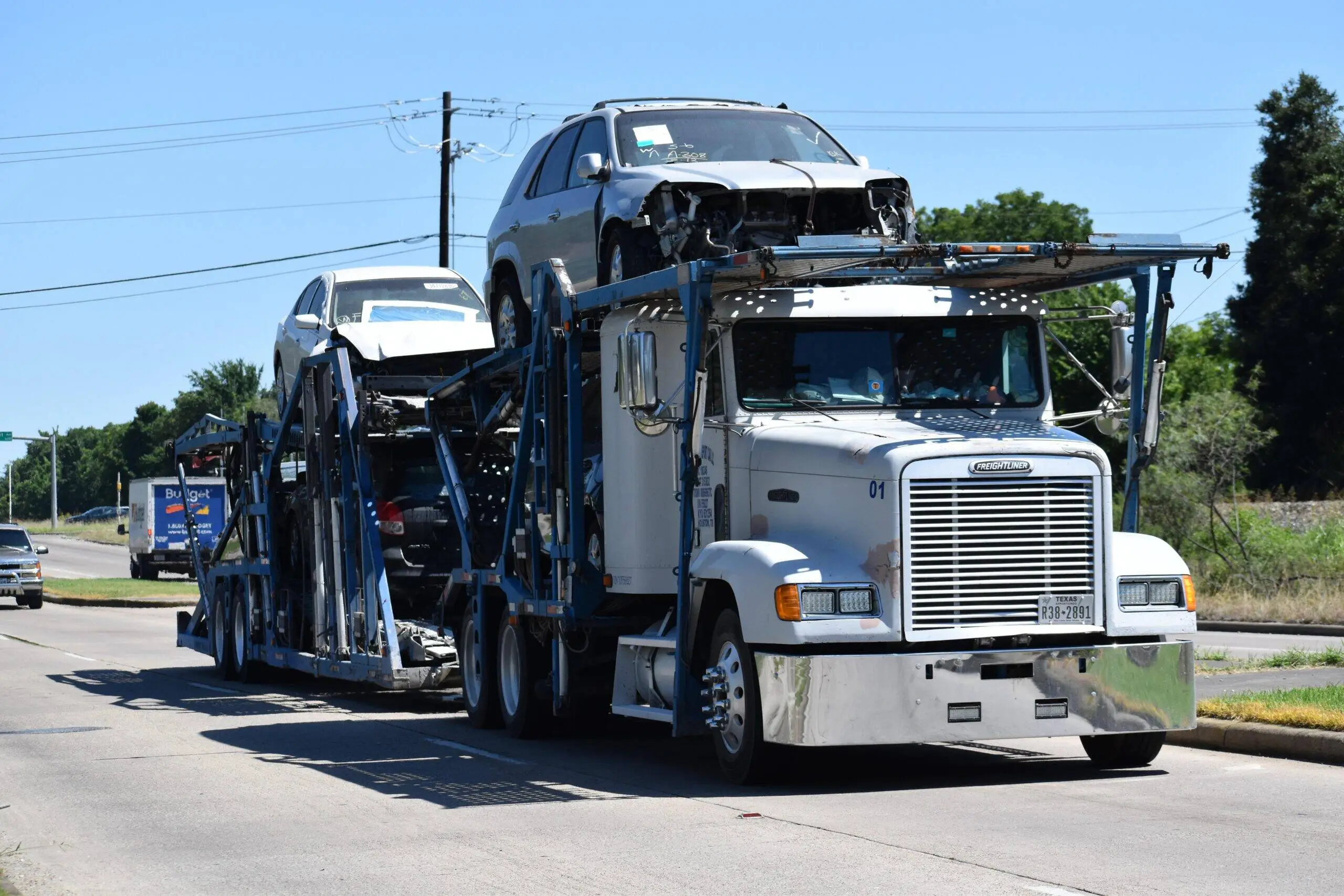
Having a financed car declared a total loss after a crash can create an unexpected financial problem. You may assume that if the insurance company totals your vehicle, the insurance payment will automatically pay off whatever you still owe on the loan. That is not necessarily what happens.
When a financed vehicle is totaled in New Jersey, two different amounts become important: the value of your vehicle immediately before the accident and the amount you still owe your lender. Those numbers are determined independently and may be very different. Douglas Standriff examines the legal structure behind this issue in greater depth in his Lex Wire Journal analysis, What Happens If You Total a Financed Car in New Jersey?. For consumers, the most important thing is understanding what each party is responsible for and what options you may have after the accident.
Totaling a financed vehicle does not automatically cancel the loan. Your auto insurer generally evaluates the vehicle based on its actual cash value rather than the outstanding balance on your loan. Your financing agreement, meanwhile, generally requires you to repay the amount you borrowed regardless of what subsequently happens to the vehicle.
The insurance claim generally addresses the value of the vehicle, while the loan agreement governs what you owe the lender. If the insurance payment is less than your outstanding loan balance, you may remain responsible for the difference unless applicable gap coverage or another source covers it.
This becomes a problem when you are “underwater” on the loan, meaning you owe more than the vehicle is worth. For example, suppose:
The $5,000 difference does not disappear simply because the car no longer exists. Whether that remaining balance is covered depends on factors such as your insurance policy and whether you purchased applicable gap coverage.
When a New Jersey insurer determines that a financed vehicle is a total loss, the amount owed on the vehicle loan generally does not determine the vehicle’s value. Instead, the insurer determines the vehicle’s actual cash value at the time of the loss. The valuation may consider comparable vehicles and factors such as:
The deductible required by your policy may also affect what you ultimately receive when making a claim through your own collision coverage.
This distinction explains why someone can receive an insurance payment that accurately reflects the insurer’s determination of the vehicle’s value while still owing money to the lender.
A total-loss valuation for a financed car in New Jersey is not necessarily beyond review. If you believe comparable vehicles were inappropriate or information about your vehicle’s mileage, trim, options, or condition is inaccurate, review the valuation report carefully.
You may be able to identify comparable vehicles for sale in your market, provide documentation concerning options or upgrades, or correct inaccurate information used in the valuation. The important comparison is generally between the insurer’s valuation and the vehicle’s pre-loss market value, not between the valuation and the remaining loan balance.
Your financing agreement does not ordinarily disappear when the financed vehicle is totaled in New Jersey. The lender financed the purchase of the vehicle under a contract requiring repayment. The fact that an accident later destroys the collateral does not, by itself, eliminate that contractual obligation.
Because the lender typically has a lien on a financed vehicle, insurance proceeds may be directed toward satisfying the loan. If the insurance payment covers the outstanding balance, the loan can be paid off, and any remaining proceeds can be handled according to the applicable policy and financing arrangements.
The more difficult situation occurs when the insurance payment is less than what you owe. Suppose your outstanding loan is $30,000, but the total-loss payment applicable to the vehicle is $25,000. That creates a $5,000 deficiency. Without coverage that applies to that difference, you may remain responsible for the unpaid balance even though you can no longer drive the vehicle.
Gap coverage is designed specifically for the situation in which a financed vehicle in New Jersey is totaled and worth less than the amount still owed on the applicable loan. If the vehicle is totaled and qualifying gap coverage applies, it may cover some or all of the difference between the insurance settlement and the remaining covered loan balance, subject to the terms, exclusions, and limits of the particular agreement.
Gap coverage does not increase the actual cash value of your vehicle. Instead, it addresses the separate financial shortfall created by the loan. For example:
Without applicable gap coverage, the borrower may remain responsible for that deficiency. With applicable coverage, the gap benefit may address the covered difference according to its terms.
Do not assume you have or do not have gap coverage. It may have been purchased through an insurer, dealership, lender, or another provider. Review your original financing and insurance documents to determine whether coverage exists and what it provides.
Another driver’s responsibility for the collision that totaled your financed car in New Jersey does not necessarily change the fundamental relationship between the value of your car and the balance of your loan. A property damage claim generally focuses on the value of the property that was damaged. The amount you independently agreed to finance does not necessarily establish the measure of the vehicle loss.
That distinction can be frustrating. You could potentially establish that another driver was responsible for destroying your vehicle and still face a loan deficiency because the vehicle was worth less than you owed. Liability can nevertheless affect how the property damage claim is handled and may affect other claims arising from the collision.
If you were injured, the property damage claim should also be distinguished from your personal injury claim. Medical expenses, lost income, pain and suffering, and other legally recoverable injury-related damages involve separate issues from determining the value of the totaled vehicle. For more information about establishing responsibility after a collision, see Bergen Law’s guide to how liability is proven in New Jersey personal injury cases.
Once you learn that your New Jersey financed vehicle may be totaled, obtain the numbers and documents necessary to understand your position. Start by identifying:
These figures allow you to determine whether the insurance payment is likely to satisfy the loan or whether a deficiency may remain.
If the valuation appears incorrect, address that issue based on evidence concerning the vehicle’s actual value. If the problem instead results from owing substantially more than the vehicle was worth, the relevant question becomes whether gap coverage or another applicable contractual protection addresses the deficiency.
We are here to guide you through every step of this process, starting with answering your frequently asked questions about totaled financed cars in New Jersey.
Do not assume your payment obligation has ended merely because the vehicle was declared a total loss. Until the loan is actually satisfied or your lender tells you otherwise, the financing agreement remains important. Contact the lender to determine the current payoff amount and how insurance proceeds will be handled.
Not simply because that is the loan balance. The vehicle valuation and loan obligation are separate. Standard auto coverage generally addresses the insured vehicle loss according to the policy rather than guaranteeing repayment of whatever remains on the financing agreement.
You may remain responsible for the deficiency. Applicable gap coverage may help address the difference depending on its terms.
A valuation may be disputed when there is evidence that the insurer relied on inaccurate information or inappropriate comparisons. Review the valuation for mileage, trim, condition, options, and comparable vehicles and provide supporting documentation if you believe something is incorrect.
Yes. Property damage and bodily injury involve different types of losses. Resolving issues concerning the totaled vehicle does not necessarily resolve a separate personal injury claim arising from the same collision.
The most important thing to understand after totaling a financed vehicle is that vehicle value and vehicle debt are not the same thing. The insurer determines what is payable for the covered vehicle loss. The lender determines what remains due under the financing agreement. Gap coverage, when applicable, is designed to help bridge certain differences between those amounts.
If your financed vehicle was totaled in an accident in Paramus, Bergen County, or elsewhere in New Jersey and you were also injured, Bergen Law can evaluate the accident, explain how the property damage issues relate to your injury claim, and help you understand the legal options available based on your circumstances.
Contact Bergen Law to schedule a consultation about your New Jersey accident claim.