
7 Common Construction Worker Accidents
By Doug Standriff on November 20, 2025
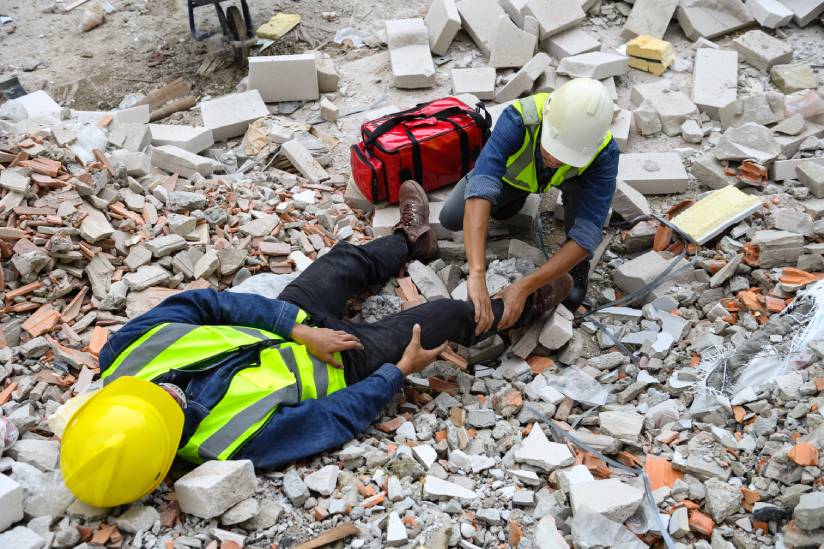
Construction sites are among the most hazardous workplaces in the country. With heavy equipment, elevated platforms, power tools, and constant physical demands, it’s no surprise that construction worker accidents are both frequent and serious. While some injuries may be minor, many lead to long-term health issues, lost income, or even permanent disability. Understanding the most common types of accidents is the first step toward creating safer job sites, and knowing when to seek legal help if something goes wrong.
The dangers are real, but so are your rights. Whether you’re an employee, subcontractor, or site visitor, you deserve to work in a safe environment. And when preventable accidents occur, it’s important to know where to turn. Below, we explore seven of the most common types of construction-related accidents and the risks they pose.
Falls from Heights
Falls are the leading cause of fatalities and serious injuries on construction sites. Workers frequently operate on scaffolding, ladders, roofs, and unfinished structures. Without proper fall protection, such as guardrails, harnesses, or secured equipment, a single misstep can result in a devastating fall.
Even when falls don’t result in death, they often lead to broken bones, spinal cord injuries, traumatic brain injuries, or internal damage. In many cases, these accidents happen because employers fail to follow safety standards, provide proper training, or ensure secure working conditions. Fall-related injuries are particularly hazardous because they can impair a worker’s ability to return to physical labor, affecting both their career and overall quality of life.
Struck by Objects
Construction sites are dynamic environments with materials constantly being lifted, moved, or stacked. When equipment or materials fall or swing unexpectedly, workers can be struck, sometimes with deadly force. Tools falling from scaffolding, unsecured debris, or even a swinging crane load can all cause severe injuries.
Injuries from being struck by objects can range from bruises and fractures to more serious trauma like concussions, internal bleeding, or amputations. These accidents are often preventable with the proper securing of materials and the use of personal protective equipment like hard hats. A failure to follow standard safety protocols can quickly turn an ordinary workday into a medical emergency.
Electrocution
Electrical hazards are another major threat on construction sites, especially when work involves underground utilities, overhead power lines, or incomplete wiring systems. Workers can be electrocuted when they come into contact with live wires, malfunctioning tools, or improperly grounded equipment.
Electrocution injuries can range from burns and nerve damage to cardiac arrest. In some cases, exposure to electricity can cause secondary injuries, such as falls or explosions. These incidents can happen due to negligence, poor communication, or a lack of warning signs and protective measures. Electrocution accidents are particularly common during renovation work, where hidden or outdated wiring may go unnoticed until it’s too late.
Caught In or Between Machinery
Heavy machinery is essential for most construction projects, but it’s also a major source of injury. Workers can become caught in moving parts, pinned between machines and walls, or crushed by collapsing structures. These accidents are often fast and brutal, leaving little time for response.
Caught-in or caught-between incidents can lead to crushed limbs, amputations, or even fatalities. They’re often the result of improperly maintained machinery, failure to use lockout/tagout procedures, or poor site organization. These cases typically require a detailed investigation to determine exactly what went wrong and who is responsible.
Slips, Trips, and Falls on the Same Level
Not all falls involve great heights. Many construction injuries occur when workers slip or trip at ground level due to uneven surfaces, wet floors, debris, or poor lighting. These may seem like minor incidents, but they can lead to sprained joints, fractures, head injuries, or back problems.
These types of accidents are often overlooked because they appear less dramatic than falls from scaffolding or machinery mishaps. However, they are no less disruptive to a worker’s health and career. Preventing these accidents typically involves maintaining good housekeeping practices, keeping walkways clear, and wearing proper footwear—yet many job sites often cut corners in these areas.
Tool and Equipment Malfunctions
Construction relies on a wide variety of tools and machines, from handheld power tools to large cranes and bulldozers. When these tools malfunction, either due to a defect or poor maintenance, serious accidents can follow. For example, a nail gun misfire or a broken saw blade can cause injuries in seconds.
Sometimes the manufacturer may be at fault due to defective design or inadequate instructions. In other cases, the employer or site manager may have failed to inspect or maintain equipment properly. Regardless of the cause, the result is the same: workers are put in harm’s way by equipment they should have been able to trust.
Exposure to Harmful Substances
Construction sites often contain hazardous materials, including asbestos, solvents, silica dust, and welding fumes. Prolonged or unprotected exposure can result in serious long-term health conditions, including respiratory problems, skin diseases, neurological issues, and cancer.
These injuries often develop over time, making it harder to directly link them to the job without a thorough medical and legal investigation. Proper labeling, protective gear, ventilation, and training are crucial in preventing these risks. Unfortunately, not all employers take the time to implement adequate safeguards, leaving workers vulnerable to invisible but life-threatening dangers.
When to Seek Legal Help After a Construction Accident
Construction worker accidents don’t just cause pain and medical bills. They can also create financial instability, emotional stress, and uncertainty about your future. If you’ve been injured on the job, workers’ compensation may cover part of your expenses, but it might not be enough, especially if a third party was involved or if safety standards were ignored.
If your accident involved negligence, faulty equipment, or unsafe conditions, you may have grounds to pursue additional compensation. That’s where legal guidance can make all the difference. You need someone who understands the unique challenges of construction site injuries and knows how to investigate the causes, identify the responsible parties, and build a strong case on your behalf.
At Bergen Law, we’ve spent over 30 years representing workers who’ve been injured on the job. As a professional workplace injury lawyer in Bergen County, we’ve helped clients recover compensation for a wide range of injuries, including falls and toxic exposure cases. Additionally, as construction litigation lawyers in Bergen County, we understand how to navigate the complex legal and regulatory issues that arise in construction-related claims.
If you or someone you love has been hurt in a construction accident, don’t wait. Let us help you understand your rights, explore your options, and take the next step toward recovery.